For attorneys, corporate clients, and businesses facing civil disputes, understanding discovery is not optional. This is the phase where cases are built, evidence gets locked in, and most disputes actually resolve. Mishandling it — missing a deadline, destroying a document, or botching privilege — can be catastrophic regardless of how strong the underlying claim is.
This guide covers what discovery is, why it matters, how each method works, what pitfalls to avoid, and what happens once discovery closes.
Key Takeaways
- Discovery is the court-supervised pre-trial process where parties formally exchange information, documents, and evidence
- Five methods drive the process: interrogatories, depositions, requests for production, requests for admissions, and subpoenas
- Discovery prevents "trial by ambush" and drives most civil cases toward settlement before they reach a courtroom
- Emails, texts, metadata, and mobile device data now dominate modern civil discovery as electronically stored information (ESI)
- Sanctions for spoliation, missed deadlines, or privilege mishandling can permanently damage — or end — a case
What Is Discovery in Civil Litigation?
Discovery is the court-supervised, rule-governed pre-trial phase in which each party has the legal right to request and obtain information from the opposing party — and sometimes third parties — that is relevant to the claims and defenses in the case.
The core purpose: ensure both sides have access to the material facts before trial. As the Supreme Court stated in Hickman v. Taylor, 329 U.S. 495 (1947), "mutual knowledge of all the relevant facts gathered by both parties is essential to proper litigation." Discovery levels the playing field — both parties enter trial knowing what the evidence shows, not discovering it for the first time in the courtroom.
Discovery vs. Trial
These two phases serve completely different functions:
| Phase | What Happens | Who Controls It |
|---|---|---|
| Discovery | Information gathering, evidence exchange, witness preparation | Parties, with court oversight |
| Trial | Formal adversarial proceeding before judge or jury | Court |
Discovery doesn't determine who wins. It determines who knows what — going into trial or settlement. Federal civil cases follow the Federal Rules of Civil Procedure (FRCP), while state courts apply their own procedural rules, which often parallel federal practice but vary in timelines and limits.
When Discovery Begins
Discovery begins after the initial pleadings (complaint and answer) are filed. The FRCP establishes a structured timeline:
- Rule 26(d)(1): Parties cannot seek discovery until the Rule 26(f) planning conference is completed
- Rule 26(f) conference: Parties meet to discuss the case, proposed discovery plan, and any scheduling needs
- Court scheduling order: Issued within 90 days of service or 60 days after a defendant appears, setting all discovery deadlines

Why Discovery Matters in Civil Cases
It Levels the Playing Field
Without discovery, whoever controls the most information wins. A large corporation defending against an individual employee or consumer claimant would hold a structural advantage that has nothing to do with the merits of the case. Discovery obligations cut both ways — parties must disclose relevant material even when it hurts their own position.
It Kills "Trial by Ambush"
Before modern discovery rules, one side could walk into a courtroom and introduce devastating evidence the other party had never seen. The Hickman court put it bluntly: discovery was designed so trials need not be "carried on in the dark" or played as a "game of blind man's bluff." That principle is now embedded in the FRCP.
It Drives Settlement
Because both sides must reveal the strength of their evidence, discovery accelerates realistic risk assessment. U.S. Courts Table C-4 data for the 12-month period ending September 30, 2025, shows that only 0.4% of federal civil case terminations — 1,681 of 407,379 — actually reached trial.
A peer-reviewed study in the Northwestern University Law Review found party resolution in approximately 57–63% of federal civil cases filed in 2016–2017. Most disputes settle before trial, and discovery is a primary driver.
It Locks In Testimony
Depositions taken during discovery create sworn, transcribed records. If a witness contradicts that testimony at trial, the prior statement can be used to impeach them. That impeachment risk shapes how witnesses reconstruct events from the start — and gives opposing counsel a concrete tool to challenge their reliability in front of a jury.
How the Discovery Process Works: Types and Methods
Interrogatories
Interrogatories are written questions submitted by one party to the other, which must be answered in writing and under oath. Under Rule 33, federal courts cap interrogatories at 25, including discrete subparts, unless the court grants leave for more. Responses are due within 30 days of service.
Interrogatories are best used early — to establish basic facts, timelines, and the identities of key witnesses or documents before more targeted discovery begins.
Depositions
A deposition is live, sworn oral testimony taken outside of court — typically in an attorney's conference room — with a court reporter creating a verbatim transcript. Both parties' counsel can question the witness.
Depositions are the most powerful discovery tool for three reasons:
- They create a fixed, sworn record that cannot be easily revised later
- They allow counsel to evaluate how a witness performs under pressure
- They can be used at trial to impeach contradictory testimony, word for word
Requests for Production of Documents
Requests for production (RFPs) require the opposing party to produce specific documents, records, and data — contracts, emails, financial records, photographs, text messages, and more. Rule 34 explicitly covers electronically stored information (ESI), and responses are due within 30 days.
ESI now drives the majority of document production in civil litigation. The categories involved routinely include:
- Emails and internal messaging platform communications
- Mobile device data — texts, call logs, app data
- Cloud-stored files and collaborative documents
- Metadata embedded in documents and images
- Activity logs, IP address records, and geolocation data
- Social media account data from warrant returns
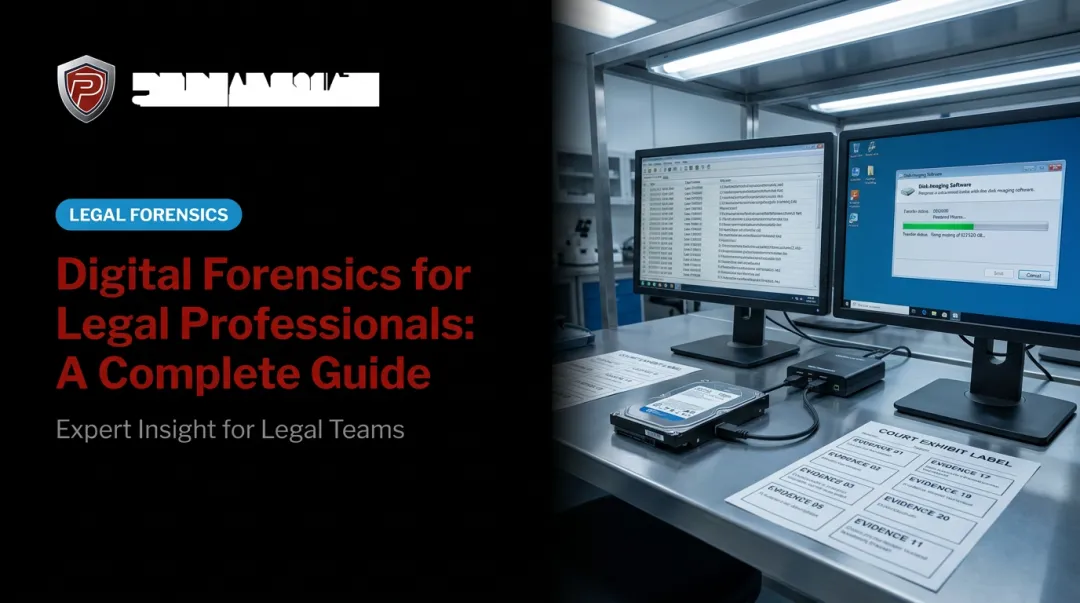
Collecting and producing ESI defensibly requires technical expertise, not just legal knowledge. Chain of custody must be documented from the moment data is collected. Forensic tools like Cellebrite, EnCase, and Magnet Forensics extract data in formats that preserve integrity and withstand court scrutiny.

Firms like Prudential Associates — whose certified examiners hold the Certified eDiscovery Specialist (CEDS) and Certified eDiscovery Professional (Litworks) credentials — handle this technical layer for litigation clients. Their work includes privilege and relevance review, timeline reconstruction, and forensically sound data preservation for presentation in state and federal courts.
Requests for Admissions
Requests for admissions (RFAs) ask the opposing party to admit or deny specific factual statements. Under Rule 36, a matter is automatically admitted if the receiving party fails to respond within 30 days of service.
Admitted facts are removed from dispute entirely, narrowing what needs to be proved at trial. Missing an RFA deadline is one of the more unforgiving procedural errors in civil litigation — the consequence is immediate and often irreversible.
Subpoenas
Subpoenas are legal orders directed at third parties not named in the lawsuit. Under Rule 45, they compel a bank, employer, healthcare provider, or other outside entity to produce documents or appear for a deposition.
Subpoenas must follow specific procedural requirements, and the recipient can challenge one through a motion to quash if it is overly broad, unduly burdensome, or seeks privileged material.
Common Pitfalls and Misconceptions in Civil Discovery
Spoliation: The Most Dangerous Mistake
Spoliation occurs when a party destroys, deletes, or alters evidence after litigation becomes reasonably anticipated. Under Rule 37(e), if ESI is lost because a party failed to take reasonable steps to preserve it, courts can impose curative measures. When the court finds intent to deprive the other side of that evidence, sanctions escalate to:
- A jury instruction that it may presume the destroyed evidence was unfavorable
- Dismissal of claims or entry of default judgment
This applies equally to paper documents and digital data — deleted emails, wiped devices, and overwritten backup files all fall within the rule's reach. Forensic imaging of devices and metadata preservation at the outset of anticipated litigation is the clearest way to avoid this exposure.
Deadline Mismanagement
Spoliation risks aside, deadline failures are their own category of exposure. Courts treat discovery timelines strictly, and the consequences of missing them are concrete:
- Failure to respond to RFAs within 30 days → facts automatically admitted
- Failure to produce documents by court-ordered deadlines → potential exclusion of evidence or sanctions
- Failure to disclose witnesses → potential prohibition on calling them at trial

Discovery timelines must be tracked from the moment a case begins, not after the first request arrives.
Two Persistent Misconceptions
Misconception 1: Discovery is only about gathering favorable evidence. Parties are required to disclose relevant information even when it hurts their case. Selective disclosure leads directly to sanctions.
Misconception 2: Privilege means the document doesn't exist. Privileged documents must still be identified. Rule 26(b)(5) requires a privilege log describing each withheld document in enough detail for the opposing party to assess the claim.
Failing to produce an adequate, timely log can waive the privilege — though the standard varies by jurisdiction and circumstance.
What Comes After Discovery?
Once discovery closes, the evidentiary landscape is fixed. Three things typically happen next.
Motion for Summary Judgment
Either party can argue that the evidence gathered during discovery is so one-sided that no reasonable jury could rule the other way. Under Rule 56, summary judgment is appropriate when there is no genuine dispute of material fact. The motion is built almost entirely from the discovery record — depositions, interrogatory answers, produced documents, and admissions.
Settlement Negotiations Intensify
For many cases, the close of discovery is when serious settlement discussions begin. Both sides now have a clear picture of the evidence, the witnesses, and the realistic risks of proceeding. Given that only 0.4% of federal civil terminations reach trial, settlement at or after this stage is by far the most common resolution.
Trial Preparation
For cases that do proceed, the discovery record shapes everything:
- Which witnesses are called — and what prior testimony can be used against them
- Which exhibits are admitted
- What arguments can be credibly made
- Where the other side's vulnerabilities are

Depositions feed directly into cross-examination; produced documents become trial exhibits. The quality of discovery work — how thoroughly digital evidence was collected, how effectively the opposing party's weaknesses were surfaced — determines what happens at trial. For attorneys handling cases with significant electronic evidence, partnering with certified digital forensic examiners like those at Prudential Associates during the discovery phase can make that difference measurable.
Frequently Asked Questions
What is discovery in civil litigation?
Discovery is the formal pre-trial process — governed by civil procedure rules and conducted under court supervision — through which parties exchange information, documents, and evidence relevant to their claims and defenses. It is specifically designed to ensure neither side is blindsided at trial.
What are the methods of discovery in a civil case?
Civil discovery has five primary methods:
- Interrogatories — written questions answered under oath
- Depositions — live sworn testimony transcribed by a court reporter
- Requests for production — demands for documents and electronically stored information (ESI)
- Requests for admissions — factual statements the opposing party must admit or deny
- Subpoenas — orders compelling third parties to produce documents or testify
What comes after discovery in a civil lawsuit?
After discovery closes, cases typically move toward a motion for summary judgment, intensified settlement negotiations, or trial preparation. Summary judgment asks the court to rule without a trial based on the discovery record. Most cases settle once both sides have reviewed the evidence.
Do cases usually settle after discovery?
Yes. The vast majority of civil cases resolve without trial — U.S. Courts data shows only 0.4% of federal civil terminations reached trial in the 12-month period ending September 30, 2025. Discovery drives that outcome: once both sides have seen the evidence, the costs and exposure of going to trial become concrete — and for most parties, negotiating a resolution is the lower-risk path forward.