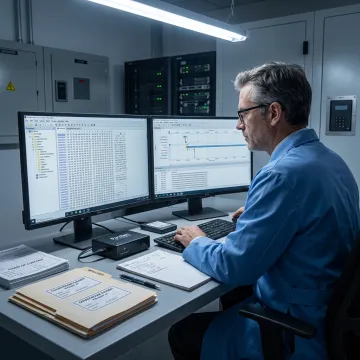
How to become a cybersecurity expert witness?
A cybersecurity expert witness typically needs deep technical experience, recognized credentials, strong documentation habits, and the ability to explain complex topics clearly under oath. Common foundations include work in digital forensics, incident response, malware analysis, network security, or cyber investigations. Certifications such as CISSP, CEH, EnCE, CFCE, GCFA, GREM, or OSCP can support credibility, but courtroom communication and defensible methodology are equally important.
What does a cyber security expert witness do?
A cyber security expert witness analyzes technical evidence, forms defensible opinions, prepares reports, assists counsel with case strategy, and may testify in depositions, hearings, arbitration, or trial. Depending on the matter, the expert may examine breaches, malware, compromised accounts, logs, devices, social media records, or security controls, then explain the findings in language attorneys, judges, and juries can understand.
When should an attorney hire a cybersecurity expert witness?
Counsel should consider hiring an expert early when a case involves digital evidence, alleged unauthorized access, data theft, ransomware, compromised email, social media records, or questions about reasonable security practices. Early involvement helps preserve evidence correctly, identify missing data, avoid spoliation issues, and shape discovery requests before critical logs, devices, or account records become unavailable.
Can cybersecurity expert testimony be used in civil and criminal cases?
Yes. Cybersecurity expert testimony may be used in civil litigation, criminal matters, regulatory investigations, employment disputes, insurance claims, business email compromise cases, intellectual property theft, and data breach disputes. The key requirement is that opinions are based on reliable methods, relevant evidence, and a clear connection between the technical findings and the legal questions at issue.
What types of evidence can Prudential Associates examine?
Prudential Associates can examine computers, laptops, servers, mobile devices, email accounts, logs, cloud artifacts, social media productions, call detail records, malware samples, cryptocurrency transaction data, and other electronic evidence. The team uses forensically sound methods to preserve, analyze, and document findings so the results can support litigation, investigations, regulatory matters, or internal decision-making.
Do you provide written expert reports?
Yes. Expert reports may include background, assignment scope, materials reviewed, methodology, findings, opinions, timelines, exhibits, and supporting technical detail. Reports are prepared to be understandable to nontechnical readers while remaining precise enough for opposing expert review. Depending on the engagement, Prudential Associates can also assist with demonstratives, deposition preparation, and trial presentation materials.
How are digital forensic findings made court-ready?
Court-ready findings require defensible collection, documented chain of custody, repeatable analysis, careful artifact interpretation, and clear reporting. Prudential Associates uses certified forensic examiners, established tools, and structured documentation to connect technical evidence to case issues. The goal is to make the evidence understandable while preserving the reliability needed for admissibility and expert scrutiny.
What credentials support your expert witness services?
The Prudential Associates team holds extensive certifications across cybersecurity, digital forensics, mobile forensics, e-discovery, malware analysis, incident response, and investigations. Credentials include CISSP, CEH, EnCE, CFCE, CFE, GCFA, GREM, GCIH, OSCP, Cellebrite certifications, CEDS, ACE, and others. These qualifications support technical credibility across a wide range of cyber and electronic evidence matters.