What does an eDiscovery and digital forensics expert witness do?
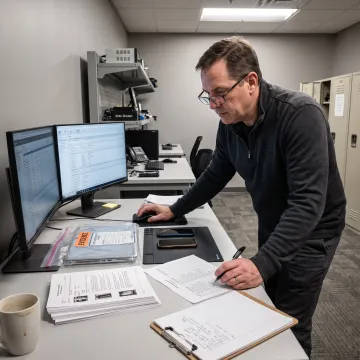
An eDiscovery and digital forensics expert witness helps identify, preserve, analyze, and explain electronic evidence. This may include computers, mobile devices, email, social media records, cloud data, metadata, call detail records, and deleted files. The expert can provide reports, declarations, deposition support, demonstrative exhibits, and trial testimony that make technical findings understandable and defensible.
When should attorneys involve a digital forensics expert?
Counsel should involve a forensic expert as early as possible when electronic evidence may be relevant, disputed, deleted, altered, or difficult to interpret. Early involvement helps prevent spoliation, supports proper preservation, and shapes discovery requests. It also allows the expert to advise on collection methods, data sources, chain-of-custody, and the feasibility of recovering or authenticating evidence.
Can Prudential Associates testify in court?
Yes. Prudential Associates provides expert witness support for depositions, hearings, arbitration, and trial. Its litigation support services are backed by leadership with 500+ court testimonies and a team experienced in turning technical forensic findings into clear, admissible, jury-ready evidence. Testimony may address methodology, authenticity, timelines, deleted data, device activity, records analysis, and investigative conclusions.
What types of digital evidence can be analyzed?
Digital evidence may include computers, laptops, servers, smartphones, tablets, external drives, email accounts, messaging data, social media records, call detail records, cloud files, metadata, deleted files, logs, cryptocurrency transactions, and platform-produced warrant returns. Prudential Associates uses forensically sound methods to preserve, examine, correlate, and document evidence for litigation, investigations, and incident response matters.
How is chain-of-custody maintained for electronic evidence?
Chain-of-custody is maintained through documented acquisition, handling, storage, transfer, and analysis procedures. Forensic examiners record who handled evidence, when it was received, how it was imaged or extracted, and what tools or methods were used. Hash values, evidence logs, and examiner notes help demonstrate that the data was preserved and analyzed in a defensible manner.
Can deleted files, messages, or phone data be recovered?
In many matters, deleted or inaccessible data can be recovered from computers, mobile devices, storage media, backups, application artifacts, or system records. Recovery depends on device type, encryption, overwrite activity, damage, and available access. Prudential Associates performs forensic recovery using methods intended to preserve evidentiary value, then documents findings for attorney review or expert reporting.
Do you support both civil and criminal matters?
Yes. Prudential Associates supports civil litigation, criminal matters, corporate investigations, government cases, insurance matters, family-law disputes, employment issues, fraud claims, and cybercrime investigations. Services can include forensic collection, expert consultation, device analysis, social media and warrant return review, call detail record analysis, exhibits, reports, and testimony tailored to the legal forum.
What certifications support your forensic and eDiscovery work?
The company’s credentials include Certified eDiscovery Specialist, Certified eDiscovery Professional, CFCE, EnCE, Cellebrite certifications, Magnet Certified Forensic Examiner, AccessData Certified Examiner, GCFA, CISSP, CEH, GREM, GCIH, and many others. These certifications reflect broad expertise in electronic discovery, mobile and computer forensics, cybersecurity, malware analysis, investigations, and expert evidence handling.