This article walks through the forensic data collection process from first engagement to final handoff — in plain language, without assuming a technical background. Whether you're an attorney preparing a client, a corporate HR team managing an internal investigation, or a custodian who just received a litigation hold notice, this covers what you need to know.
Key Takeaways
- Forensic data collection is the defensible, documented acquisition of digital evidence from devices or cloud sources — not a standard IT export.
- The process moves through three phases: preparation and intake, the actual acquisition, and a structured handoff to the case team.
- A certified forensic examiner conducts the collection — not the law firm, not IT, and not the custodian.
- Chain of custody is documented throughout; the original device data is never directly analyzed.
- Skipping proper forensic protocols, even once, can render evidence inadmissible or expose a party to sanctions.
What Is Forensic Data Collection?
Forensic data collection is the process of identifying, acquiring, and preserving electronically stored information (ESI) from devices or cloud-based sources while remaining defensible and admissible in legal proceedings.
The key word is defensible. Anyone can copy files. Forensic collection is something different.
Forensic Collection vs. a Standard Export
NIST SP 800-86 draws a clear line between these two approaches:
| Method | What It Captures | What It Misses or Preserves |
|---|---|---|
| Logical backup / file export | Directories and files only | Misses metadata, deleted data, and system artifacts |
| Forensic bit-stream image | Bit-for-bit copy including free space and slack space | Preserves deleted files, metadata, and all system artifacts |

When an IT administrator exports emails to a folder or copies files to a USB drive, that's a logical backup. It misses deleted files, alters access timestamps, and produces no chain of custody documentation. In litigation, that gap can make the difference between evidence that holds up and evidence that gets challenged.
A forensic image — created using certified tools and write-blocking hardware — captures everything the storage media holds, including data the user never sees. NIST describes a forensic image as "a bit-for-bit exact copy, including data not visible to a user."
Collection vs. Analysis
These are two distinct phases that require different skills. Collection is the acquisition of data; analysis is the examination of what was collected. One must precede the other. In a well-run engagement, the two phases are often handled by different specialists — or reviewed separately — to maintain objectivity and protect the integrity of findings.
Why Forensic Data Collection Is Used
Forensic collection enters the picture across several distinct legal and investigative contexts:
- Civil litigation and eDiscovery — FRCP Rule 34 permits parties to request ESI stored in any medium, and the Federal Judicial Center found that ESI production requests appeared in 30–40% of federal civil cases with discovery.
- Criminal defense and prosecution — Digital evidence increasingly determines case outcomes; smartphones alone appear as the leading evidence source in 97% of investigations, according to Cellebrite's 2026 Industry Trends Report.
- Internal corporate investigations — Employee misconduct, IP theft, fraud, and policy violations all commonly require forensic collection to reconstruct what happened.
- Cybersecurity incident response — After a breach or ransomware attack, forensic collection preserves the evidence needed to understand scope, attribute actions, and support legal or regulatory response.
What Happens Without Proper Collection
Skipping forensic protocols creates direct legal exposure. Under FRCP Rule 37(e), if ESI that should have been preserved is lost because reasonable steps weren't taken, courts can impose curative measures. If intent to deprive is found, courts may instruct the jury, dismiss claims, or enter default judgment.
Beyond sanctions, improper collection degrades the evidence itself. Altered timestamps, missing metadata, and chain of custody gaps give opposing counsel exactly the ammunition they need to challenge admissibility.
How the Forensic Data Collection Process Works
The process follows a documented sequence: engagement and intake → preparation → acquisition → verification → secure handoff. Each step is recorded.
Before the Collection: Preparation and Intake
Before any device is touched, administrative and technical groundwork happens first.
The law firm or corporate client engages a third-party certified forensic vendor — ideally one whose examiners hold recognized credentials such as EnCE, CFCE, or GCFA. The vendor then gathers:
- Case details and legal authorization (litigation hold, court order, or consent)
- Custodian information and device specifics — make, model, OS, serial number
- Encryption status, passcodes, and whether the device is corporate or personal
- Whether the device is MDM-managed or has biometric locks
Custodians often have legitimate concerns about sharing device credentials with a third party. Reputable forensic firms address this with NDAs and documented security protocols before any credentials change hands. At Prudential Associates, clients are also required to sign an Exam Tasking Clarity Affirmation document that defines the scope and purpose of the engagement before work begins.
During the Collection: What Actually Happens
On-site collection follows a specific sequence:
- Verify device identity — confirm make, model, and serial number match the intake documentation
- Document device condition — photograph and note physical state
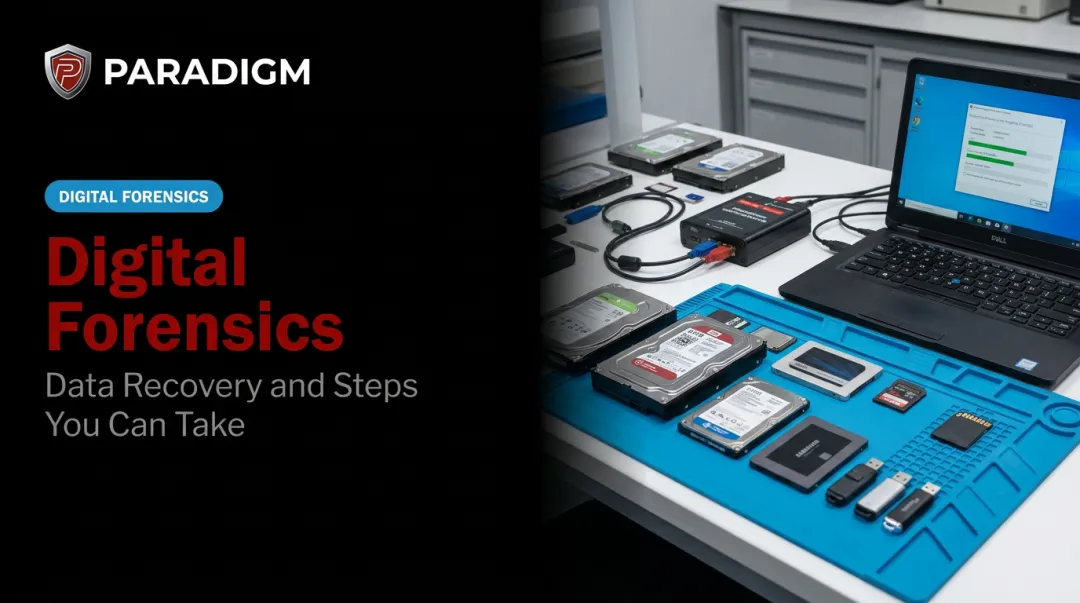
- Apply a write-blocker — prevents any data from being written to the device during acquisition
- Create a forensic image — a bit-for-bit copy using certified tools such as EnCase, FTK Imager, or Cellebrite UFED
- Generate and record hash values — MD5 or SHA hash values confirm the forensic image is an exact match to the original
- Complete the forensic journal — examiner name, date and time, tools used, device condition notes, hash values, and a job tracking number

Prudential Associates' examiners hold certifications directly tied to the tools used in this process, including EnCE (EnCase), CFCE, GCFA, Cellebrite Certified Physical Analyst, and Cellebrite UFED Physical and Logical Pro Certification, among others. That credentialing carries legal weight. Under Federal Rule of Evidence 702, an expert must be qualified by knowledge, skill, experience, training, or education to provide admissible testimony about methodology.
On-site imaging isn't always practical. Remote forensic collection uses specialized software to connect to a device or cloud environment without physical presence — the standard approach when custodians are spread across multiple locations or states. The tradeoff: remote collection generally captures logical data (files, emails, cloud artifacts) but may not recover deleted files or unallocated disk space the way physical imaging does. Device type, data scope, and what the legal matter requires all factor into the decision.
After the Collection: Handoff and What Comes Next
Once acquisition is complete:
- The device is returned to the custodian
- The forensic image is packaged and transferred securely to the law firm or case team
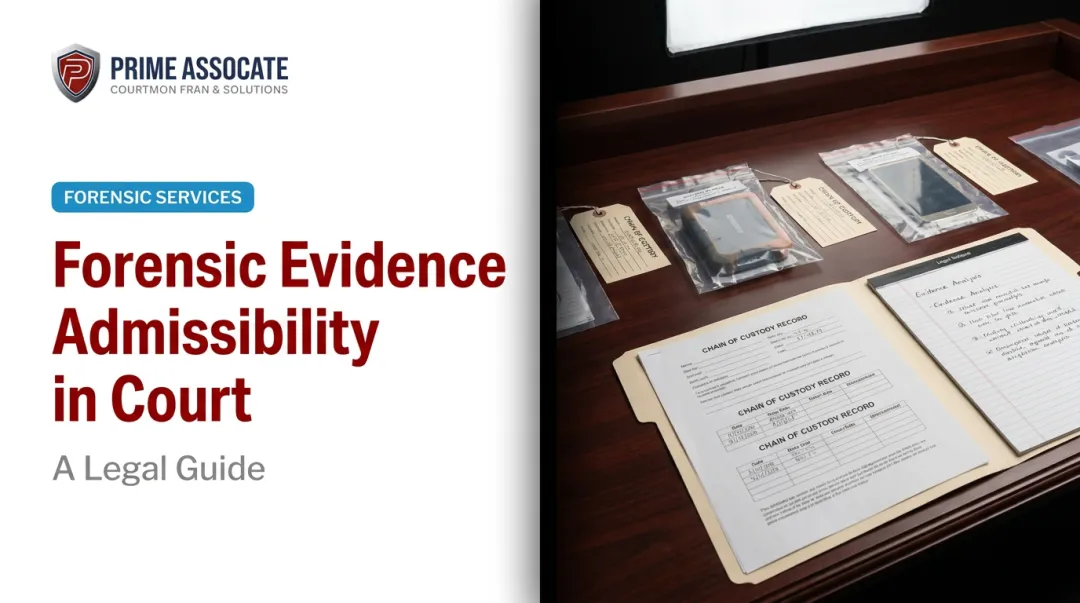
- The chain of custody document is finalized — recording every person who touched the evidence from collection through transfer
- The custodian's direct involvement with the forensic vendor typically ends here
From there, the forensic image enters analysis, eDiscovery processing, or active investigation. The collection itself is the foundation: what gets recovered from that image — and whether it holds up in court — depends entirely on how well that foundation was built.
Key Factors That Affect Forensic Data Collection
Several variables can complicate or delay acquisition — and the best time to surface them is before the examiner arrives:
- Device type — smartphones, laptops, servers, cloud environments, and IoT devices each require different tools and methodologies. Mobile devices carry additional complexity around encryption and MDM profiles.
- Encryption and access controls — full-disk encryption, two-factor authentication, and password-protected devices can block or delay acquisition. Examiners need this information confirmed before they arrive on-site.
- On-site vs. remote logistics — physical location, device availability, time zone, and network access all affect scheduling and method selection. Remote collections require stable connectivity and proper access permissions.
- Scope and targeting decisions — date ranges, file types, and specific applications in scope should be defined before collection begins. Scope decisions made after the fact increase data volume, review costs, and the risk of over-collection challenges.
- Legal authorization — the collection must be authorized by proper legal process. Without proper legal authority, even a flawless collection can be ruled inadmissible.

Common Misconceptions About Forensic Data Collection
Several assumptions about forensic data collection persist in legal and corporate settings — and acting on them can compromise a case. Here are three that matter most.
"Deleted files are gone"
They're not — at least not forensically. NIST SP 800-86 states that deleted files are typically marked for deletion rather than erased, leaving recoverable data in free space or unallocated clusters. A forensic image captures that space. Deleted files surface in forensic findings routinely — which is one of the primary reasons courts and legal teams require forensic collection rather than a simple export.
"Any data export qualifies as forensic collection"
Standard IT exports fall short in several ways that matter legally:
- Alter or strip metadata, removing timestamps and access records
- Miss system artifacts, deleted content, and unallocated space
- Produce no chain of custody record admissible in court
Akerman LLP has noted that custodian self-collection creates discovery deficiencies — and courts have found forensic analysis justified specifically because self-collection proved inadequate.
"The examiner will read all personal files on the device"
The examiner images the device — they don't browse it. What gets reviewed is governed by the legal matter and defined search parameters. The examiner works from forensic copies, and analysis is scoped to relevant data. Custodians with concerns about scope should raise them with their legal counsel before the collection, not during it.
Frequently Asked Questions
What is forensic data collection?
It's the defensible, documented acquisition of digital evidence from devices or cloud sources using specialized tools. Unlike a standard data export, it preserves metadata, recovers deleted data, and maintains an unbroken chain of custody — making the evidence usable in legal proceedings.
How is a forensic examination done?
NIST identifies four phases: collection (imaging the device), examination (processing collected data), analysis (deriving useful information), and reporting (presenting findings). These phases are sequential. Collection must be completed before examination can begin.
What are the collection techniques for forensic evidence?
Primary methods include on-site physical imaging using write-blockers and certified forensic tools, remote collection via specialized forensic software, and logical vs. physical acquisition for mobile devices. Method selection depends on device type, encryption status, and legal requirements.
How do you ensure forensic analysis is admissible?
Admissibility requires certified tools, an unbroken chain of custody, and working from forensic copies rather than originals. Every action must be documented, and the examiner must be credentialed to testify to methodology under FRE 702.
What do digital forensics professionals do?
They identify, collect, preserve, and analyze electronic evidence to reconstruct events and uncover hidden or deleted data. Their findings support legal proceedings, incident response, and corporate investigations.
What are the four types of evidence collection?
The commonly recognized categories in digital forensics are: computer/disk forensics, mobile device forensics, network forensics, and cloud forensics. Each involves different tools and methodologies, but all require consistent attention to preservation, integrity verification, and documented chain of custody.