What does an insurance fraud investigator do?
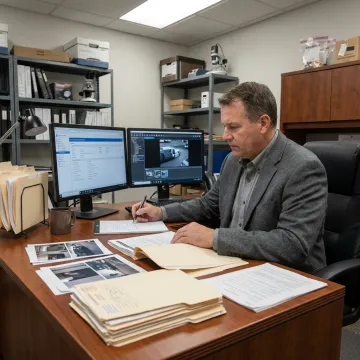
An insurance fraud investigator examines suspicious claims to determine whether facts, timelines, activities, records, or digital evidence support or contradict the claim. Work may include surveillance, claimant background research, social media intelligence, asset searches, interviews, device forensics, call record analysis, and report preparation. The goal is to document objective findings that help insurers, attorneys, or organizations make defensible decisions.
What qualifications do I need to be a fraud investigator?
A qualified fraud investigator typically needs investigative training, knowledge of evidence handling, report writing skills, and familiarity with insurance claims, legal standards, and surveillance methods. Many professionals also hold credentials such as Certified Fraud Examiner, digital forensic certifications, or law enforcement experience. Prudential Associates’ team includes CFE, CFCE, EnCE, Cellebrite, cybercrime, and forensic specialists.
What types of insurance fraud cases can be investigated?
Insurance fraud investigations may involve workers’ compensation, disability, personal injury, property loss, liability, staged incidents, exaggerated damages, false statements, or organized fraud indicators. Prudential Associates can tailor the investigation to the claim issue using surveillance, OSINT, digital forensics, call detail analysis, asset research, and litigation support to uncover relevant facts.
How is evidence preserved for legal or claims use?
Evidence is documented with attention to authenticity, source, timing, and chain of custody. Digital evidence may be collected using forensically sound methods, while surveillance and OSINT findings are organized with dates, times, observations, and supporting records. This documentation helps claims professionals, attorneys, and courts understand how information was obtained and why it is reliable.
Can social media be used in an insurance fraud investigation?
Yes, publicly available social media and open source information can be highly relevant when it shows activity, location, business interests, aliases, relationships, or statements that relate to a claim. Prudential Associates collects and preserves this information lawfully, with documentation designed to support evidentiary use rather than informal screenshots that may be challenged later.
Do you provide surveillance for suspected fraudulent claims?
Yes. Prudential Associates offers licensed private investigation and surveillance services, including covert physical surveillance, activity checks, and case development. Surveillance is planned around the claim facts and legal limitations, then documented in clear reports with observations, dates, times, and supporting media when available. The objective is to verify activity, not assume fraud.
How long does an insurance fraud investigation take?
Timelines depend on the complexity of the claim, evidence sources, surveillance windows, digital devices involved, and legal deadlines. A focused OSINT or records review may move quickly, while surveillance, forensic examinations, or call detail analysis can require more time. Prudential Associates begins with case intake and a strategy so the work stays efficient and targeted.
Can Prudential Associates support attorneys in litigation?
Yes. Prudential Associates provides litigation support consulting, forensic examiner reports, deposition and trial exhibit assistance, and expert-witness testimony where appropriate. The team has experience translating technical and investigative findings into clear, admissible evidence for attorneys, insurers, corporate counsel, and legal teams handling disputed claims or fraud-related matters.